Potanin Glacier
Mongolia’s largest glacier occupies the central mountain basin.
Start early and make this the first exposed stop of the day. Keep a lower route ready if cloud, heat, wind or trail conditions change during Jun-Sep.
Glaciers, high peaks and open steppe meet at Mongolia’s western edge near the borders with China and Russia.
Mongolia’s largest glacier occupies the central mountain basin.
Start early and make this the first exposed stop of the day. Keep a lower route ready if cloud, heat, wind or trail conditions change during Jun-Sep.
The details that make Tavan Bogd different.
Mongolia’s largest glacier occupies the central mountain basin.
The country’s highest summit rises above the border zone.
Seasonal camps place the high mountains within a living cultural landscape.
Glaciers, high peaks and open steppe meet at Mongolia’s western edge near the borders with China and Russia. The view is only the surface of a longer story of formation, use and change.
Tavan Bogd occupies the highest part of the Mongolian Altai in Bayan-Olgii. Glaciers, high peaks and open steppe meet at Mongolia’s western edge near the borders with China and Russia. Tavan Bogd sits within the larger Altai system shared by Mongolia, China, Kazakhstan and Russia, giving the region a strong cross-border geographic identity.
Visitors often encounter Tavan Bogd through the idea of “Potanin Glacier”, but the destination is more than that single scene. Its landscape carries evidence of work, movement, adaptation and environmental change. Mongolia’s largest glacier occupies the central mountain basin.
Continue to practical planningThe first layer of Tavan Bogd is geological and ecological rather than scenic. Ice fields descend from rugged summits into broad valleys where rivers cross tundra, rock and seasonal pasture.
The skyline is only the upper edge of a larger system. At Tavan Bogd, “Potanin Glacier” connects the high ground with valleys, settlement and the movement of water below. Mongolia’s largest glacier occupies the central mountain basin.
At Tavan Bogd, human history is written into settlement and land use rather than separated from the scenery. Kazakh and Tuvan herding communities use the surrounding valleys, and temporary camps remain part of a mobile pastoral landscape.
At Tavan Bogd, the feature described as “Khuiten Peak” offers a second line of evidence. The country’s highest summit rises above the border zone. Within Tavan Bogd, it shows how local knowledge and practical use became embedded in the landscape.
Political change left a physical imprint on Tavan Bogd. At Tavan Bogd, borders, conflict or population movement altered settlement and access, so the quieter landscape visible today should not be mistaken for one that was always empty. At Tavan Bogd, the current visitor experience is the newest layer rather than the whole history.
Look closely at the feature “Potanin Glacier” in Tavan Bogd; it carries information that a panoramic view can miss. Mongolia’s largest glacier occupies the central mountain basin. Its position and condition at Tavan Bogd connect physical history with the way people use the place now.
Start with the feature “Khuiten Peak”, because it condenses a much larger part of the story of Tavan Bogd. The country’s highest summit rises above the border zone. Within Tavan Bogd, the feature explains why this destination differs from nearby landscapes.
At Tavan Bogd, the feature “Pastoral valleys” provides a precise clue to how the landscape works. Seasonal camps place the high mountains within a living cultural landscape. Within Tavan Bogd, the feature explains why this destination differs from nearby landscapes.
At Tavan Bogd, light, water and temperature reveal different structures at different times of year. Summer is short and weather can change abruptly; access involves long overland travel, permits and self-sufficient planning.
For Tavan Bogd, the main seasonal constraint is: the strongest planning window is Jun-Sep. For Tavan Bogd, outside it, check weather, daylight, road or ferry schedules and seasonal closures before committing to a fixed route.
For Tavan Bogd, one practical detail matters: distances, fuel, food and mobile coverage can be less predictable than the map suggests. For Tavan Bogd, carry offline maps and keep a margin in the schedule.
Placed within its wider geography, Tavan Bogd is not an isolated exception. Tavan Bogd sits within the larger Altai system shared by Mongolia, China, Kazakhstan and Russia, giving the region a strong cross-border geographic identity.

Mountain ranges, dune fields, fossil country and cold desert valleys create a varied landscape within Mongolia's South Gobi.
Explore this place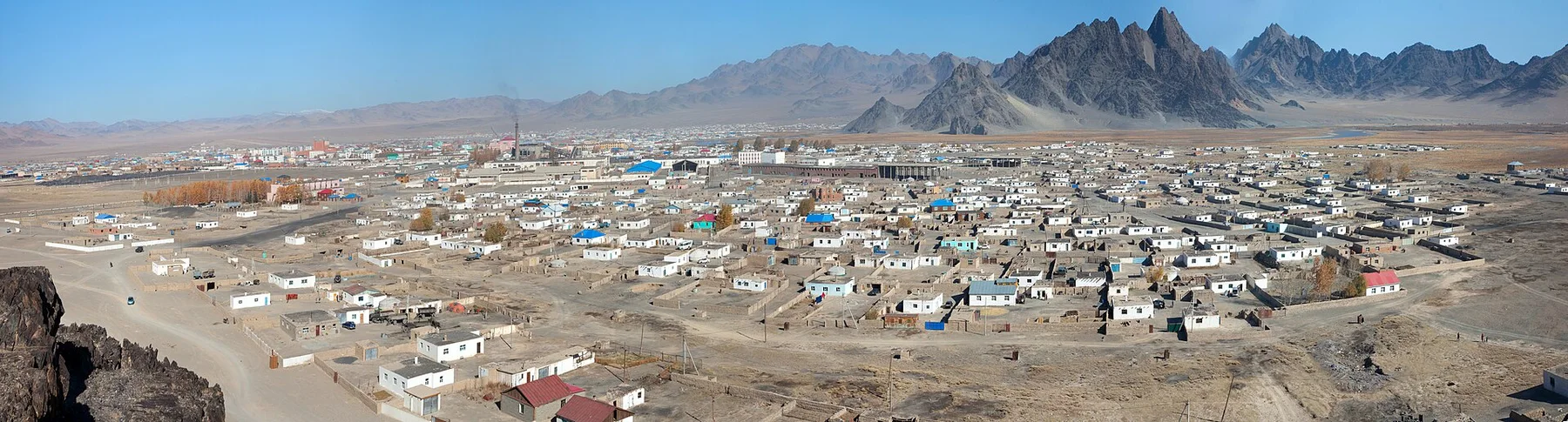
Forest-steppe, river headwaters and broad mountain valleys form a quieter, greener Mongolia east of the central grasslands.
Explore this place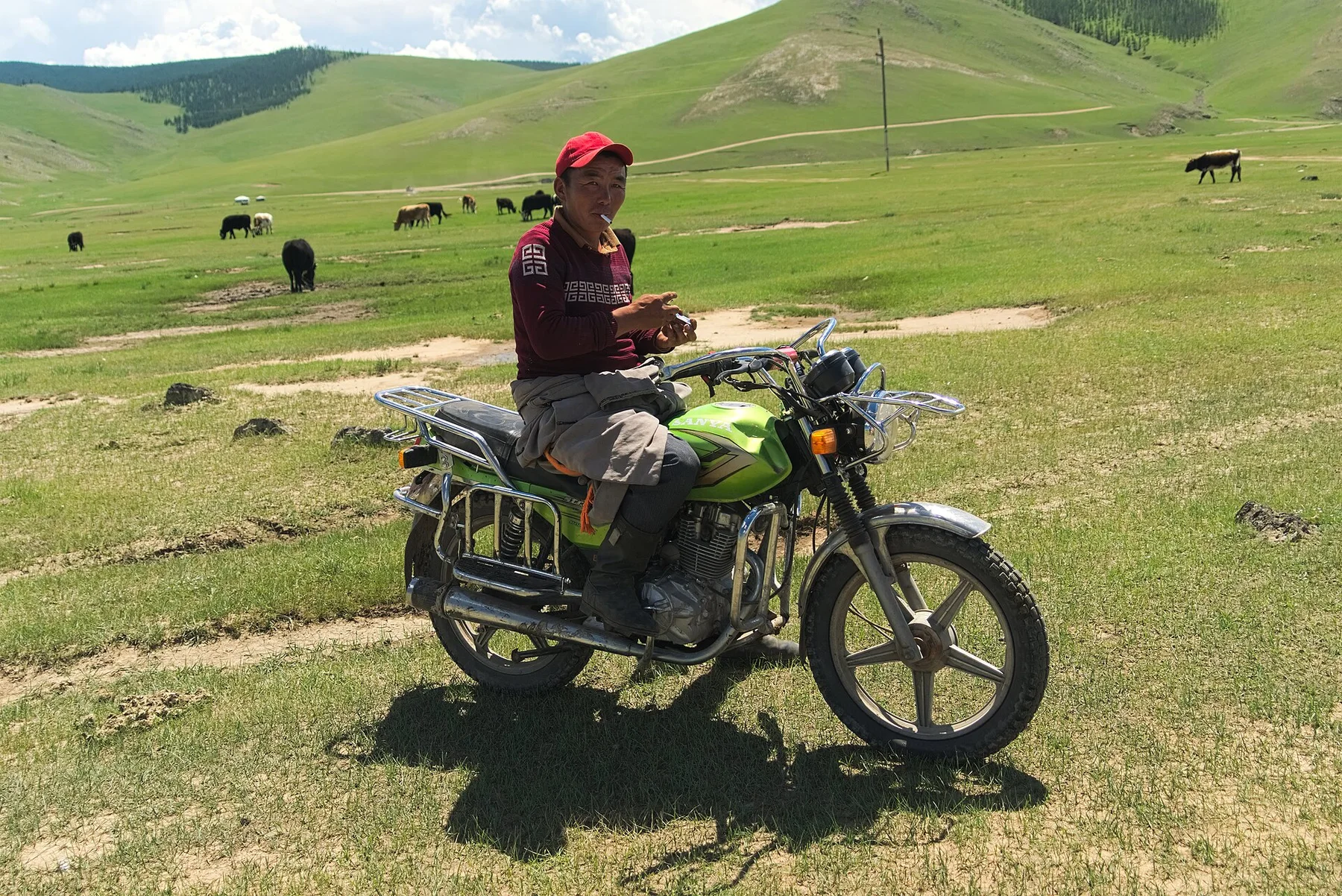
A wide grassland corridor where rivers, volcanic terrain, herding camps and traces of former capitals reveal Mongolia's long mobile history.
Explore this place