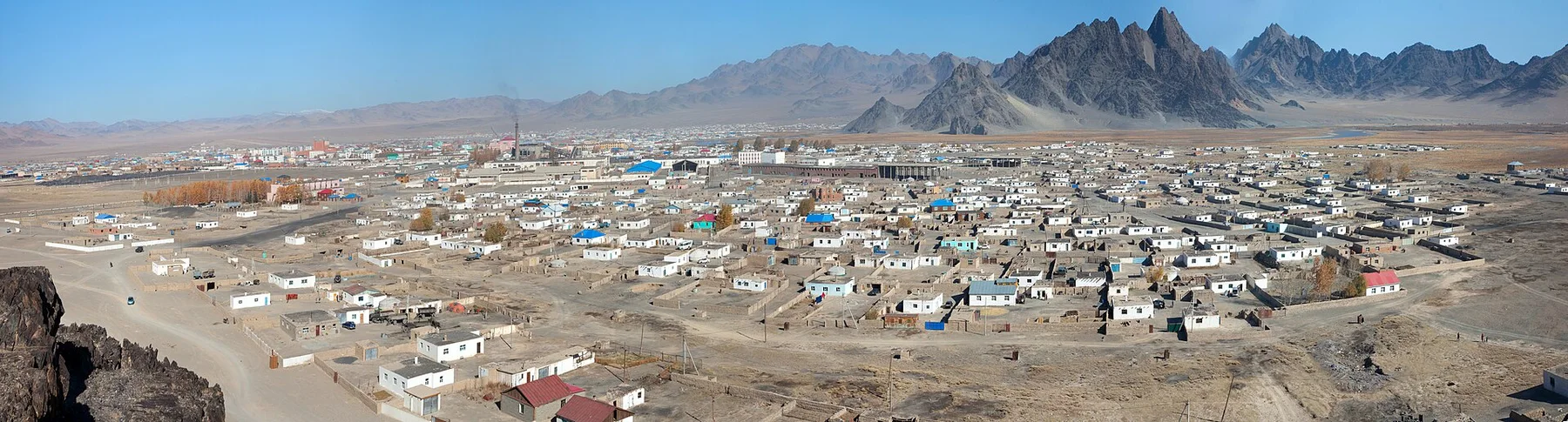
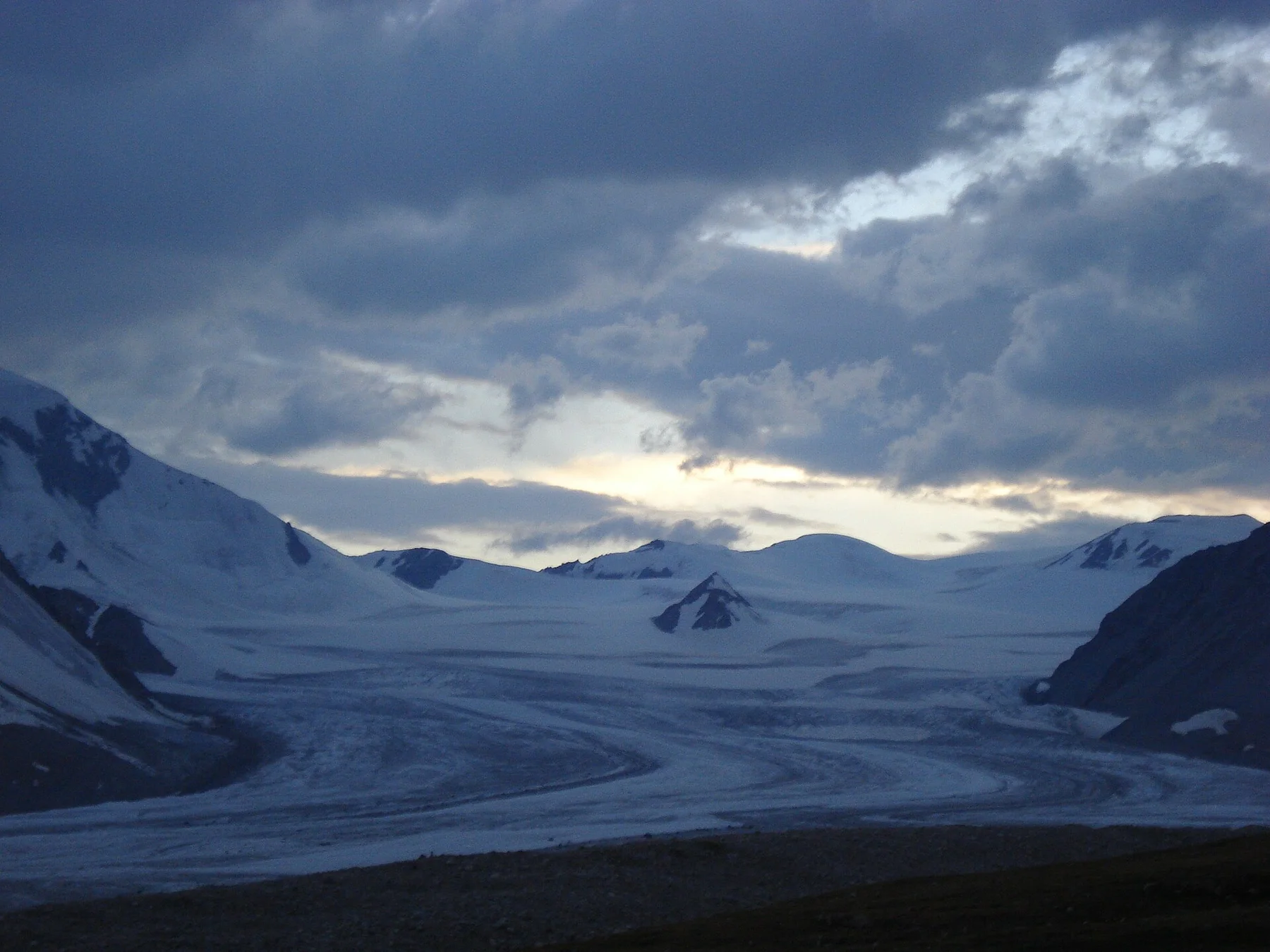
Orkhon Valley changes through the year because weather and biological cycles rearrange what can be seen and used. Late spring and summer bring green pasture, active camps and the easiest overland travel. July can be busy around festival periods. Early autumn turns the grassland gold and reduces visitor numbers, while winter is severe, with extreme cold and limited access across the open plateau.
For Orkhon Valley, the main seasonal constraint is: the strongest planning window is May-Sep. For Orkhon Valley, outside it, check weather, daylight, road or ferry schedules and seasonal closures before committing to a fixed route.
For Orkhon Valley, one practical detail matters: opening days can be more limiting than travel time. For Orkhon Valley, check the principal site first, then organise the wider route around it.
Placed within its wider geography, Orkhon Valley is not an isolated exception. For Orkhon Valley, the wider context shows that, the valley provides a natural bridge between Ulaanbaatar, the central monasteries and more remote steppe regions. For Orkhon Valley, spending time away from the principal archaeological sites helps explain why this river corridor repeatedly became a centre of power and movement.