Glowing southern island

Rakiura

Dense native forest, long inlets, quiet beaches and a small southern community define New Zealand's third-largest island.

Native forestKiwi habitatLong inlets

Location
Stewart Island, New Zealand
Best window
Nov-Apr
Suggested stay
3-5 days
Go for
Southern forest island
The reason to go

Rakiura forest

Extensive native vegetation creates one of New Zealand's largest largely intact island landscapes.

Plan the least frequent boat, ferry or exposed coastal section first. Use early or late light and keep a weather alternative during Nov-Apr.

Look a little closer

Worth discovering

The details that make Rakiura different.

Destination view
01

Rakiura forest

Extensive native vegetation creates one of New Zealand's largest largely intact island landscapes.

Destination view
02

Oban and Halfmoon Bay

A compact community provides the inhabited centre of an otherwise sparsely settled island.

Photo journal
03

Ulva Island

A predator-managed sanctuary demonstrates the ecological potential of restored island habitats.

Photo journal

A closer look at Rakiura

10 photographs
Deep background

Rakiura: the story behind the landscape

Dense native forest, long inlets, quiet beaches and a small southern community define New Zealand's third-largest island. This account follows the forces, communities and decisions that made the present landscape.

Rakiura lies across Foveaux Strait south of New Zealand's South Island. Much of the island remains forested and protected, with deeply indented coasts, long beaches and a sparse road network concentrated around Oban. The scale of wilderness is large relative to the small resident population.

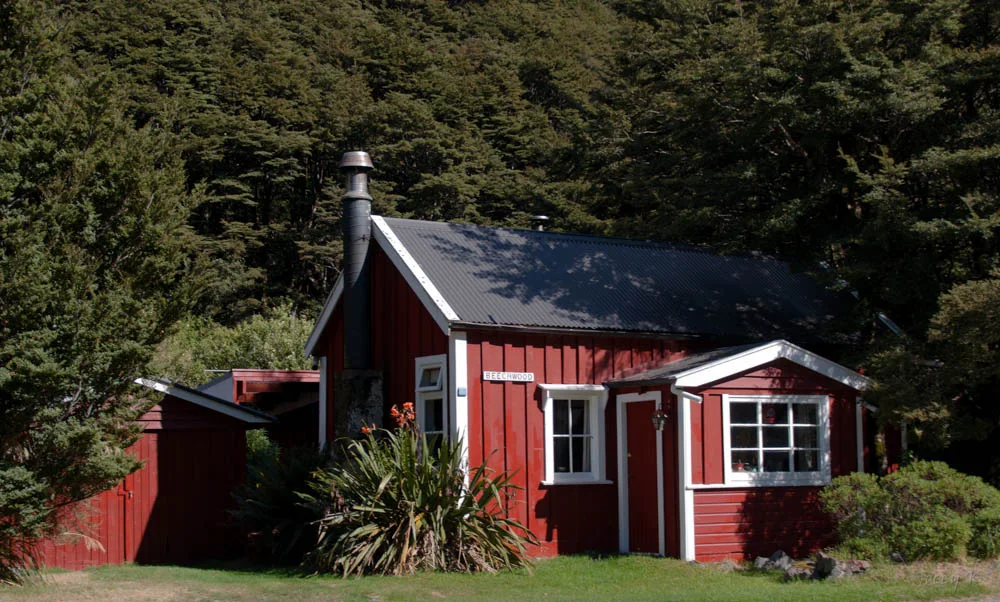
Visitors often encounter Rakiura through the idea of “Rakiura forest”, but the destination is more than that single scene. Its landscape carries evidence of work, movement, adaptation and environmental change. Extensive native vegetation creates one of New Zealand's largest largely intact island landscapes.

Continue to practical planning
Brown ( Southern ) Skua - Stewart Island - New Zealand (38531829584)See the complete photo journal
Natural history

The physical foundations of the place

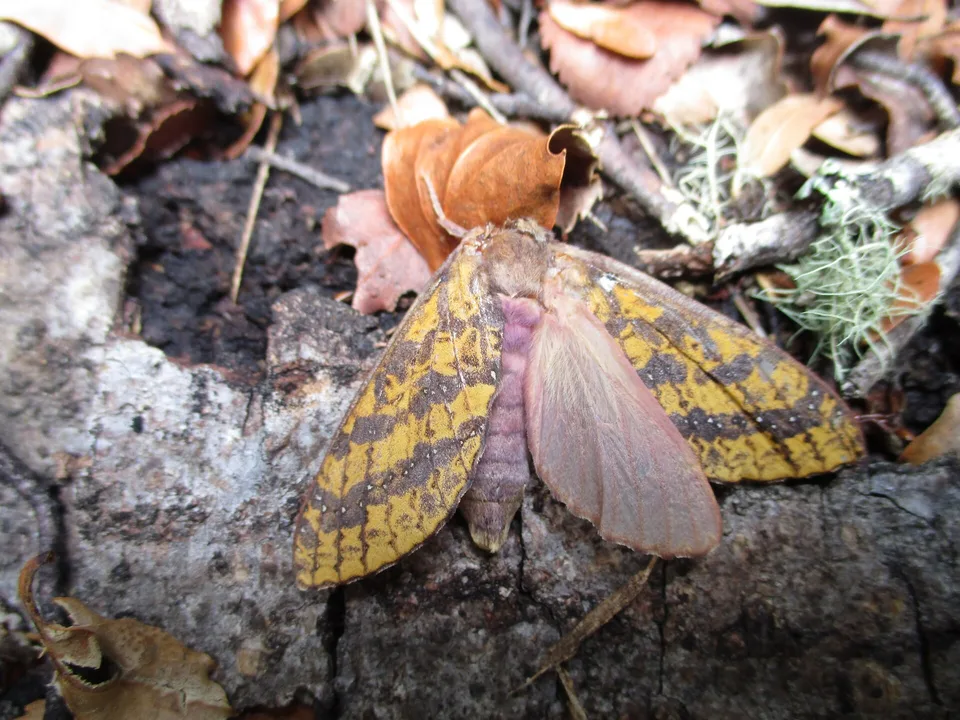
Understanding Rakiura starts below the visible surface. Rimu, kamahi and other native forest cover rolling terrain from ridges toward bays and wetlands. Coastal weather, peat and limited development support habitats for birds that are rare elsewhere. The island's long twilight and southern skies reinforce its distinct atmosphere.

Because land is limited, every ridge, bay and passage acquires practical importance. At Rakiura, “Rakiura forest” is where that compressed geography becomes easiest to read. Extensive native vegetation creates one of New Zealand's largest largely intact island landscapes.

Lives and livelihoods

Settlement, movement and local knowledge

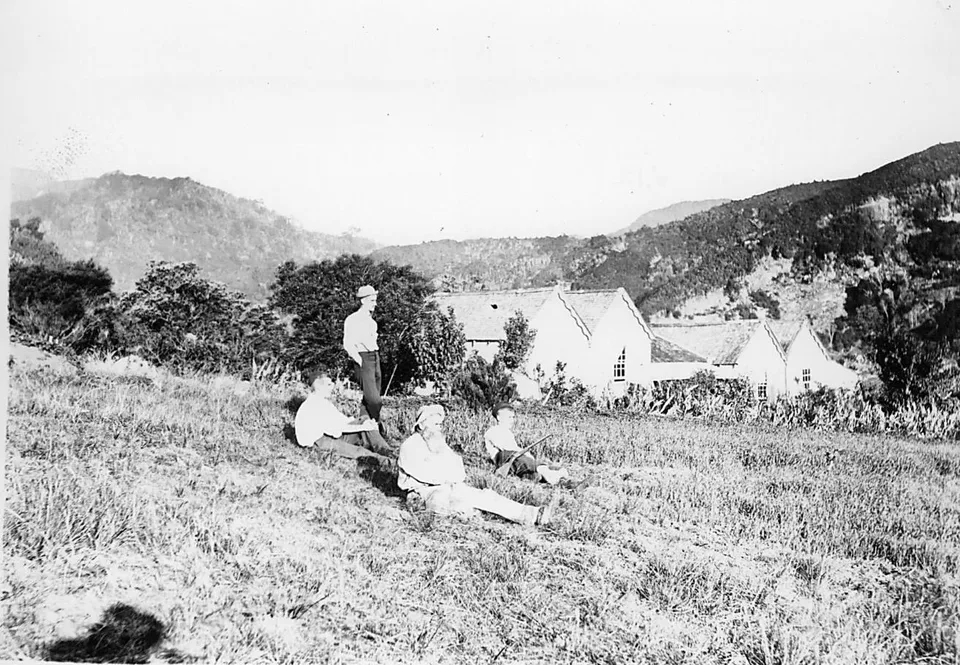
At Rakiura, human history is written into settlement and land use rather than separated from the scenery. Oban and Halfmoon Bay form the principal community centre. Maori history, fishing, conservation and small-scale tourism shape island life. The name Rakiura is often associated with glowing skies, linking cultural language with the visual environment.

A close look at “Oban and Halfmoon Bay” makes the cultural layer of Rakiura more concrete. A compact community provides the inhabited centre of an otherwise sparsely settled island. At Rakiura, the surviving form links present-day identity with earlier work and settlement.

Modern history

What altered the old balance

Formal protection changed how Rakiura was described and managed. At Rakiura, new boundaries, visitor rules and conservation priorities created a public identity that still has to coexist with settlements, customary use and economic pressures. At Rakiura, the current visitor experience is the newest layer rather than the whole history.

Visible evidence

The evidence still visible on the ground

Look closely at the feature “Rakiura forest” in Rakiura; it carries information that a panoramic view can miss. Extensive native vegetation creates one of New Zealand's largest largely intact island landscapes. Its position and condition at Rakiura connect physical history with the way people use the place now.

At Rakiura, the feature “Oban and Halfmoon Bay” is best understood as part of the surrounding system rather than an isolated stop. A compact community provides the inhabited centre of an otherwise sparsely settled island. For Rakiura, that relationship is more informative than treating the feature only as a photograph or checklist item.

Start with the feature “Ulva Island”, because it condenses a much larger part of the story of Rakiura. A predator-managed sanctuary demonstrates the ecological potential of restored island habitats. At Rakiura, the detail links local scale with the wider regional pattern.

Living landscape

The current chapter

A single visit to Rakiura captures only one phase of its annual cycle. Summer brings longer daylight and generally milder conditions, but rain and wind remain common. Autumn can be calm and clear. Winter is cool, wet and quiet, with the island's community rhythm more prominent than visitor activity.

For Rakiura, the main seasonal constraint is: the strongest planning window is Nov-Apr. For Rakiura, outside it, check weather, daylight, road or ferry schedules and seasonal closures before committing to a fixed route.

For Rakiura, one practical detail matters: distances, fuel, food and mobile coverage can be less predictable than the map suggests. For Rakiura, carry offline maps and keep a margin in the schedule.

Placed within its wider geography, Rakiura is not an isolated exception. Rakiura connects ecologically with Fiordland, Foveaux Strait and the subantarctic islands farther south. For Rakiura, ulva Island provides a concentrated restoration landscape within the wider archipelago.
Travel notes

Plan your visit

Time needed
3-5 days
Getting around
4x4 or local driver, with short walks at the main sites
Effort
Moderate to demanding
Plan first
Main transport and accommodation
Time of day
Morning for movement; late light for viewpoints
Best window
Nov-Apr
Traveller stories

Stories from people who have been here.

First-hand moments, practical notes and overlooked details from Rakiura.

Loading traveller stories…

Browse all traveller stories ↗

Keep exploring

Where next?

All place stories