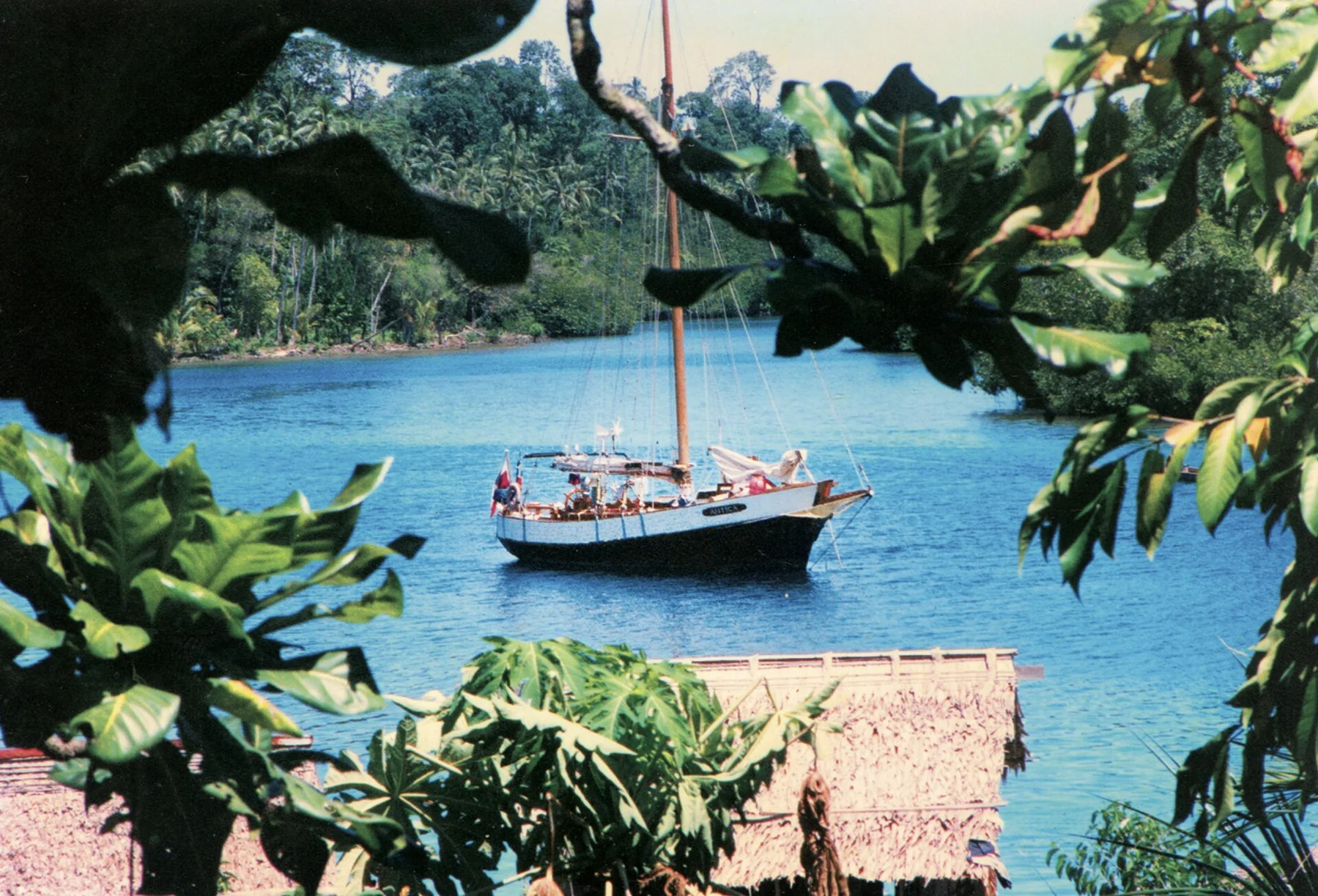
Historic jungle crossing

Kokoda Track

A multi-day track crosses steep rainforest ridges, rivers and villages along a major Second World War campaign route.

Historic jungle crossingDramatic routeViewpointsIsurava MemorialGolden Staircase terrain

Location
Owen Stanley Range, Papua New Guinea
Best window
May-Oct
Suggested stay
8-12 days
Go for
Multi-day jungle and history trek
The reason to go

Cross the Owen Stanley Range village by village

The route’s meaning comes from the combination of difficult terrain, living communities and wartime history rather than any single viewpoint.

Choose an experienced operator, train for repeated steep climbs and allow respectful time in villages and memorial areas.

Look a little closer

Worth discovering

The details that make Kokoda Track different.

Destination view
01

Isurava Memorial

A high ridge memorial overlooks the valleys crossed during the campaign.

Destination view
02

Golden Staircase terrain

Steep muddy ascents show why the range was such a formidable route.

Photo journal
03

Village crossings

Local communities and river crossings remain central to the modern trek experience.

Photo journal

A closer look at Kokoda Track

8 photographs
The full story

A deeper history of Kokoda Track

A multi-day track crosses steep rainforest ridges, rivers and villages along a major Second World War campaign route. Its character becomes clearer when geology, settlement and modern protection are considered together.

Kokoda Track is centred on Owen Stanley Range, where a multi-day track crosses steep rainforest ridges, rivers and villages along a major Second World War campaign route. The strongest reason to make the journey is to cross the Owen Stanley Range village by village.

Visitors often encounter Kokoda Track through the idea of “Cross the Owen Stanley Range village by village”, but the destination is more than that single scene. Its landscape carries evidence of work, movement, adaptation and environmental change. The route’s meaning comes from the combination of difficult terrain, living communities and wartime history rather than any single viewpoint.

Continue to practical planning
Naduri Village 2009See the complete photo journal
Natural history

What the ground explains

Understanding Kokoda Track starts below the visible surface. Changes in height, rock, water and exposure make the sequence important: the approach, the most engineered or natural passage and the final overlook each reveal a different part of Owen Stanley Range.

The path is inseparable from the terrain it crosses. At Kokoda Track, “Isurava Memorial” turns engineering or trail logic into something visible underfoot. A high ridge memorial overlooks the valleys crossed during the campaign.

Cultural landscape

Settlement, movement and local knowledge

The Kokoda corridor existed before the Second World War as a network of village paths and routes used by missionaries, administrators and people travelling toward goldfields. Its global name, however, comes from the 1942 campaign fought between Japanese and Allied forces across the Owen Stanley Range.

Papuan carriers moved wounded soldiers and supplies through terrain where roads were impossible, and their role is central to the track's memory. Villages along the route remain living communities rather than battlefield exhibits.

Modern history

How access and attention changed the place

Commemorative trekking expanded from the late twentieth century, bringing income and infrastructure but also disputes over fees, land ownership and how Australian war memory represents Papuan experience.

On the ground

Three details that explain the whole place

At Kokoda Track, the feature “Isurava Memorial” is best understood as part of the surrounding system rather than an isolated stop. A high ridge memorial overlooks the valleys crossed during the campaign. Within Kokoda Track, it is both an attraction and a record of the processes described above.

At Kokoda Track, the significance of the feature “Golden Staircase terrain” goes beyond its visual impact. Steep muddy ascents show why the range was such a formidable route. Within Kokoda Track, it is both an attraction and a record of the processes described above.

Start with the feature “Village crossings”, because it condenses a much larger part of the story of Kokoda Track. Local communities and river crossings remain central to the modern trek experience. Within Kokoda Track, it is both an attraction and a record of the processes described above.

Continuity

What continues to change

Kokoda Track changes through the year because weather and biological cycles rearrange what can be seen and used. For Kokoda Track, the most reliable visiting window is May-Oct.

For Kokoda Track, one practical detail matters: this is a remote expedition requiring medical preparation, permits and a reputable operator. For Kokoda Track, conditions can be extremely wet.

For Kokoda Track, the most useful visiting period is: early starts each day.

Placed within its wider geography, Kokoda Track is not an isolated exception. Beyond the best-known image of Kokoda Track crossing, Kokoda Track is useful because golden staircase terrain and village crossings place the route inside a broader landscape story.

Chronology

Key dates

  1. Village and administrative paths

    Local movement, missions and mining routes crossed sections of the Owen Stanley Range.

  2. Kokoda campaign

    Japanese and Allied forces fought along the track while Papuan carriers sustained the campaign.

  3. A commemorative trek

    The wartime corridor became a demanding pilgrimage route managed with local landowners.

Travel notes

Plan your visit

Time needed
8-12 days
Getting around
Guided point-to-point expedition
Effort
Very demanding; heat, mud and steep terrain
Plan first
Operator, permits, training and porter arrangements
Time of day
Early starts each day
Best window
May-Oct
Traveller stories

Stories from people who have been here.

First-hand moments, practical notes and overlooked details from Kokoda Track.

Loading traveller stories…

Browse all traveller stories ↗

Keep exploring

Where next?

All place stories