Lifuka and Foa
Connected islands provide the main settlement and transport base.
Plan the least frequent boat, ferry or exposed coastal section first. Use early or late light and keep a weather alternative during May-Oct.
Low coral islands, volcanic horizons and small communities form a dispersed archipelago in central Tonga.
Connected islands provide the main settlement and transport base.
Plan the least frequent boat, ferry or exposed coastal section first. Use early or late light and keep a weather alternative during May-Oct.
The details that make Ha’apai different.
Connected islands provide the main settlement and transport base.
Shallow channels and outer reefs structure all marine movement.
Seasonal humpback presence connects the islands with the wider South Pacific.
Low coral islands, volcanic horizons and small communities form a dispersed archipelago in central Tonga. The deeper story links its visible features with the people and changes behind them.
Ha’apai occupies a chain of islands between Tongatapu and Vavau. Low coral islands, volcanic horizons and small communities form a dispersed archipelago in central Tonga. Ha’apai links Tonga’s northern and southern island groups and illustrates the diversity between coral and volcanic Pacific islands.
The familiar invitation at Ha’apai is “Lifuka and Foa”, yet that image makes more sense when it is connected to the landform, the local economy and the changes that determined access. Connected islands provide the main settlement and transport base.
Continue to practical planningBefore roads, settlements or protected-area boundaries, the terrain of Ha’apai set the basic terms. Reefs, lagoons, beaches and low coconut-covered islands contrast with nearby volcanic islands rising more sharply from the sea.
Because land is limited, every ridge, bay and passage acquires practical importance. At Ha’apai, “Lifuka and Foa” is where that compressed geography becomes easiest to read. Connected islands provide the main settlement and transport base.
At Ha’apai, people learned to work with the landscape limits rather than arriving after its story was complete. Villages, churches, fishing and inter-island boats give the archipelago a slower and more local rhythm than larger Pacific hubs.
At Ha’apai, “Reef passages” should not be treated as a decorative detail. Shallow channels and outer reefs structure all marine movement. The feature records how construction, movement or livelihood adapted to local conditions at Ha’apai.
The modern identity of Ha’apai emerged as livelihoods, transport and outside attention changed their balance. At Ha’apai, the present destination was assembled from places that previously served practical, seasonal or community purposes. At Ha’apai, the consequences are clearest where traditional use, protection and tourism occupy the same ground.
At Ha’apai, the significance of the feature “Lifuka and Foa” goes beyond its visual impact. Connected islands provide the main settlement and transport base. Its position and condition at Ha’apai connect physical history with the way people use the place now.
At Ha’apai, the feature “Reef passages” is best understood as part of the surrounding system rather than an isolated stop. Shallow channels and outer reefs structure all marine movement. Within Ha’apai, it is both an attraction and a record of the processes described above.
At Ha’apai, the feature “Whale migration” is one of the most useful pieces of visible evidence. Seasonal humpback presence connects the islands with the wider South Pacific. For Ha’apai, that relationship is more informative than treating the feature only as a photograph or checklist item.
At Ha’apai, season is part of the landscape history, not merely a planning detail. The cooler dry season is most comfortable and overlaps with humpback-whale migration; cyclone season requires close attention to forecasts.
For Ha’apai, the main seasonal constraint is: the strongest planning window is May-Oct. For Ha’apai, outside it, check weather, daylight, road or ferry schedules and seasonal closures before committing to a fixed route.
For Ha’apai, one practical detail matters: ferries, tunnels and weather can change the order of the day. For Ha’apai, build the route around the least frequent connection, not the closest viewpoint.
Placed within its wider geography, Ha’apai is not an isolated exception. Ha’apai links Tonga’s northern and southern island groups and illustrates the diversity between coral and volcanic Pacific islands.
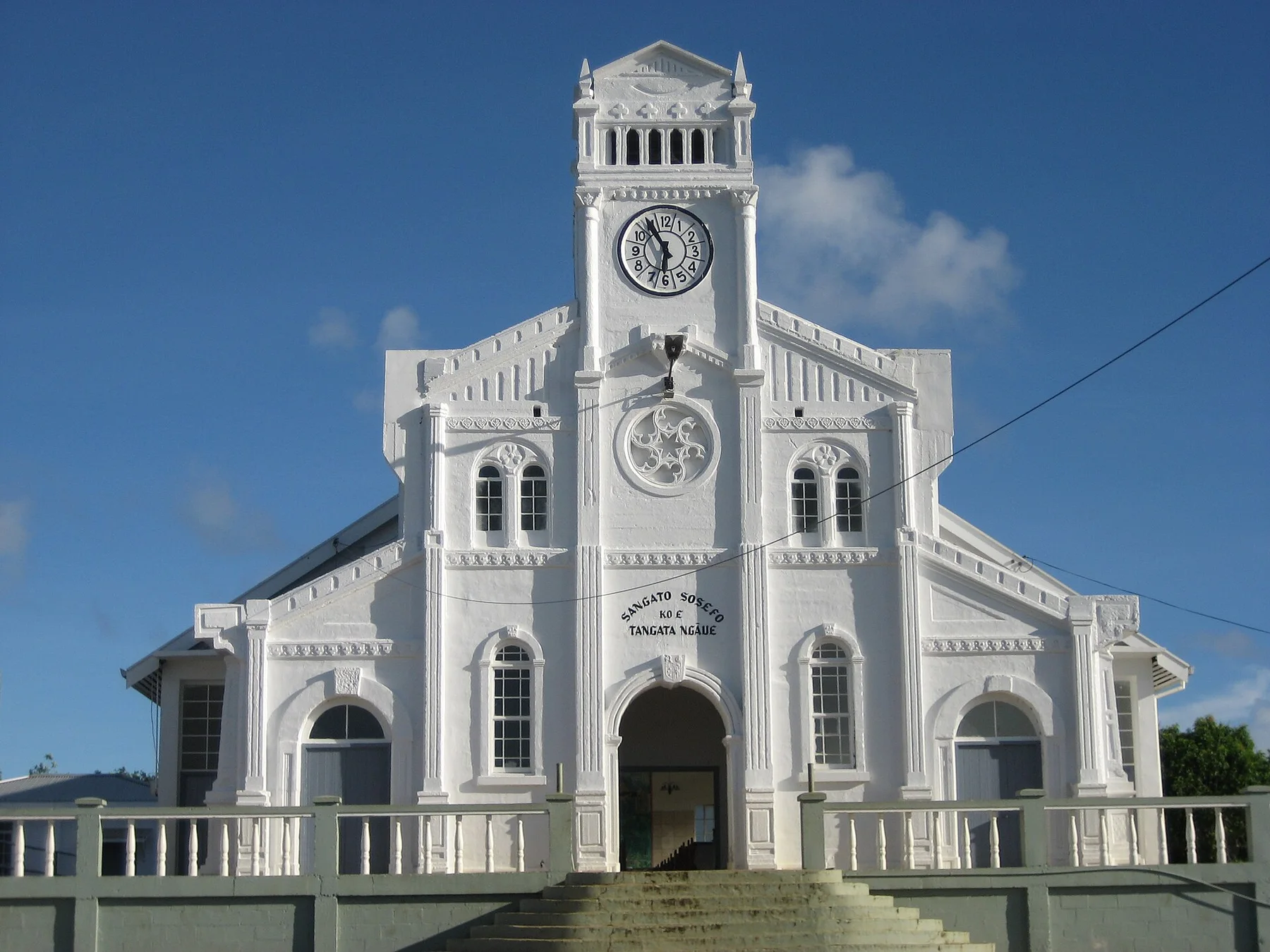
Sheltered waterways, limestone islands and seasonal humpback whales create a distinctive marine landscape in northern Tonga.
Explore this place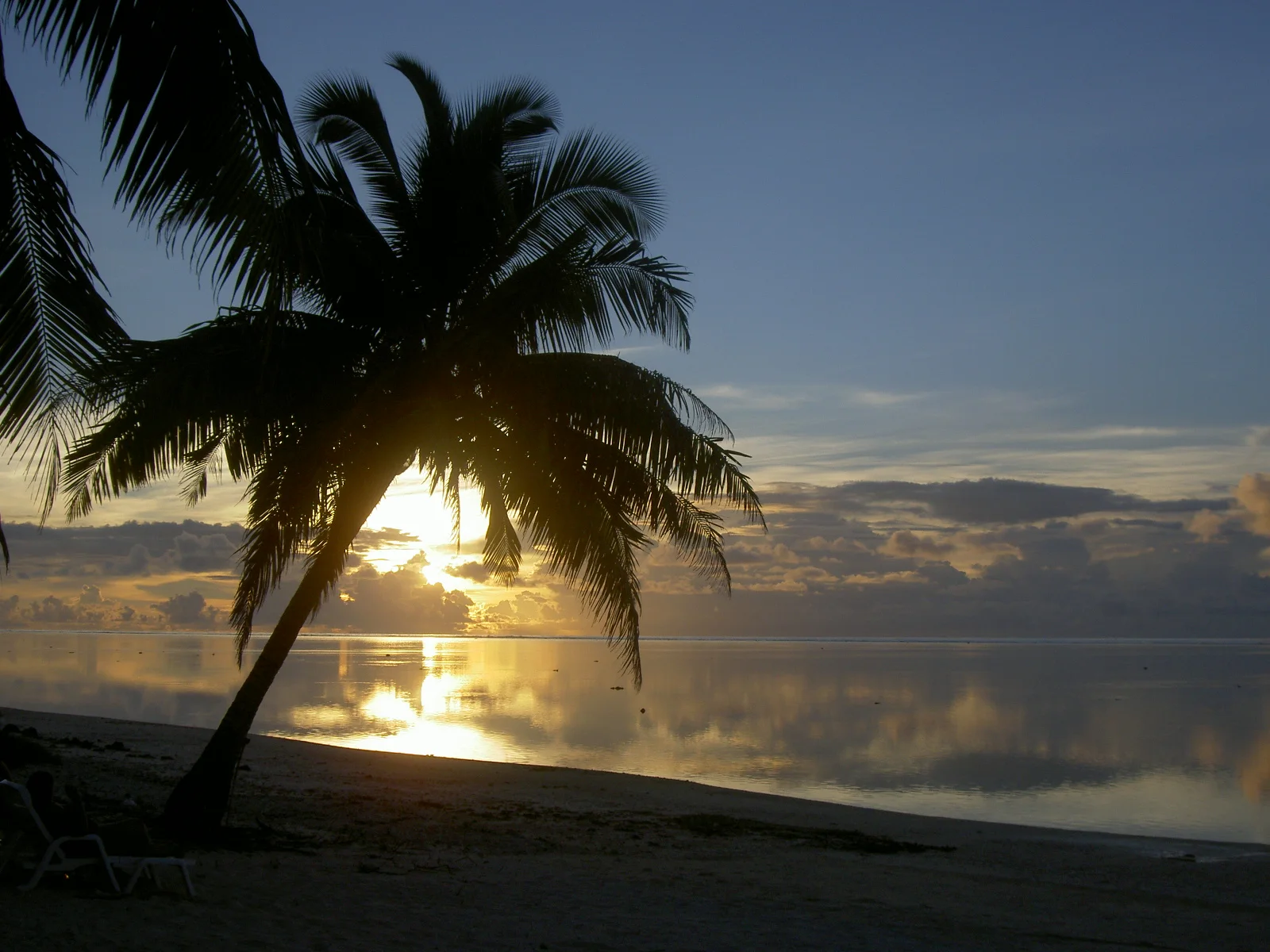
A volcanic main island and a wide turquoise lagoon are enclosed by reef and small motu in the central South Pacific.
Explore this place
Small uninhabited motu line one of the Pacific's clearest lagoons beyond the main island villages.
Explore this place